The reported result
The Associated Press and Reuters reported on November 4 that Democrats won control of both the US House of Representatives and the Senate in the November 3 midterm elections. This article explains the consequences of that change rather than presenting a final seat-by-seat tally. AP still identified unresolved Senate races when checked, so chamber control and a completed count of every contest should be read as separate questions.
Congress changes; the presidency does not
The result means the party controlling Congress will differ from the president’s party: divided government. Donald Trump remains president. Winning congressional majorities does not transfer the presidency to the opposition or make the congressional election a presidential election. For readers following from abroad, the key distinction is between a change in the legislative branch and a change in the executive branch.
When does the new Congress begin?
The Senate’s official guide explains that the Constitution sets the start of a new Congress at noon on January 3 in each odd-numbered year, unless a law provides a different convening day or time. For this election cycle, that default points to January 3, 2027. It should not be confused with election night in November: the newly elected membership does not take over simply when a news organisation announces the result. The exact convening arrangements remain subject to that statutory exception.
A majority is not a new law
The House’s legislative guide says a bill must pass both chambers in the same form before it goes to the president. If the Senate changes a House bill, the chambers must resolve their differences. Having the same party lead both chambers can affect which proposals advance, but it does not remove those procedural steps. A campaign promise, a proposal introduced in Congress and a bill approved by both chambers describe different stages.
The president still has a role
After both chambers agree on identical legislation, the enrolled bill goes to the president. The House explains that the president can sign it or veto it; legislation can also become law without a signature under the applicable constitutional rules. Congressional control therefore does not mean every opposition proposal will become law. The practical question for any announced policy is which steps it has actually completed, not just which party supports it.
Watch the change of Congress as well as the vote count
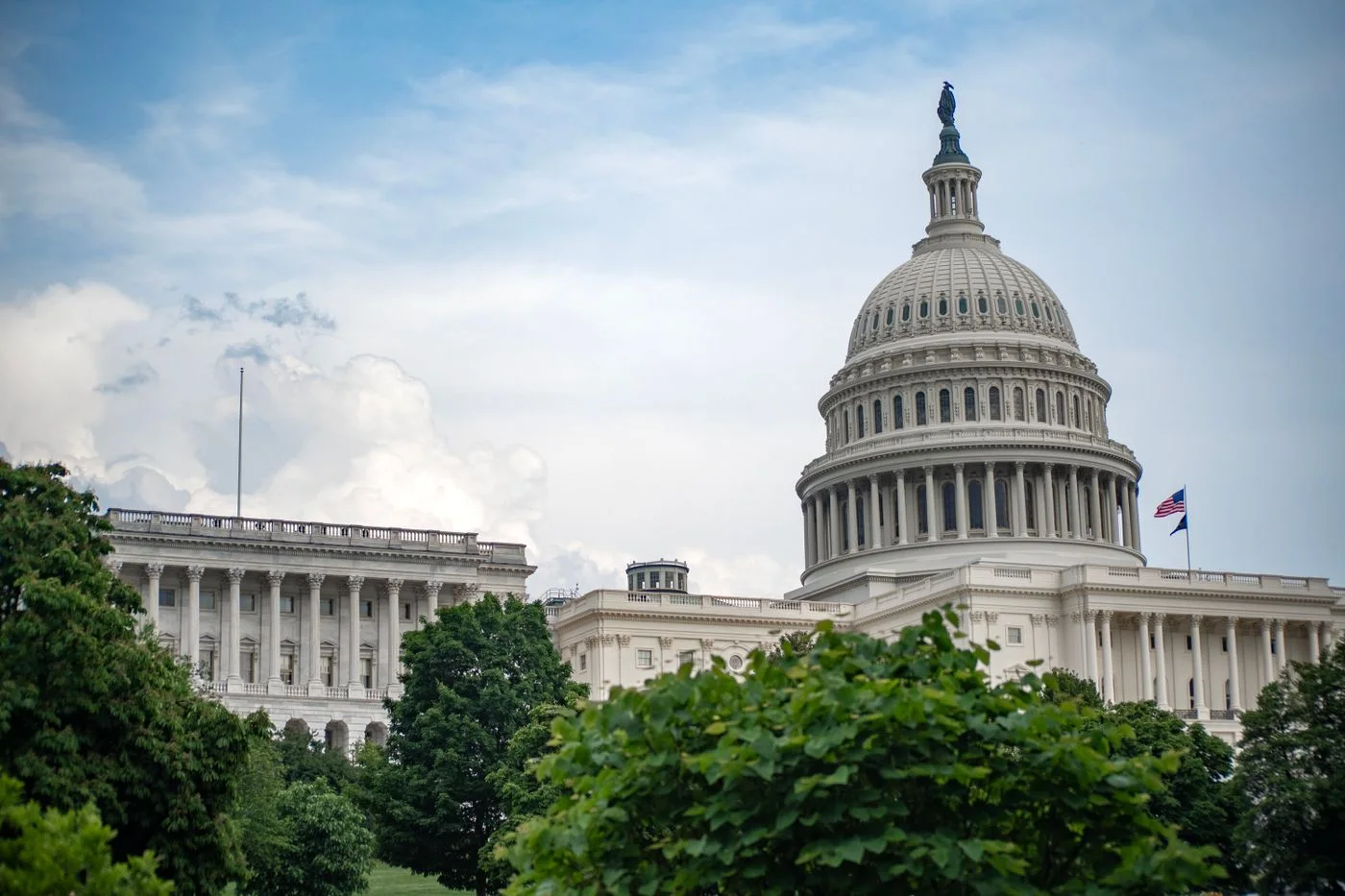
The Senate’s guide also explains that legislation left pending at the end of a Congress generally must be reintroduced in the next one; treaties are an exception. That concerns unfinished legislative business, not the automatic cancellation of laws already enacted. In the coming weeks, distinguish remaining race results, the organisation of the new Congress and actual legislative votes. This is a dated explanation of the reported outcome, not a forecast of specific policy decisions. The Capitol photograph is a May 2025 file image, not an election-night scene.