Science explainers & guides
Clear guides to space missions, skywatching and time changes, with dates, limitations and links to the original scientific sources.

Voyager 1 Nears One Light-Day From Earth: Date and Signal Delay Explained
NASA expects Voyager 1 to reach one light-day from Earth on November 18, 2026. Understand the radio delay, October’s contact pause and what the milestone means.

AQI vs PM2.5: Why Air-Quality Apps Can Show Different Numbers
AQI is an index; PM2.5 concentration is a measurement. Learn how the scale, pollutant, averaging period and location affect air-quality numbers.
Delhi-NCR Pollution Curbs: November 5–20 Work-from-Home Rules Explained
Delhi and five NCR districts face 50% office attendance from November 5–20. Understand the construction curbs, exemptions and different policy dates.

COP17’s Yerevan Pathway: What the Nature Deal Changes and What Remains Unfinished
Countries agreed a biodiversity response in Yerevan. Understand the global review, the Yerevan Pathway and why adoption does not prove nature targets are on track.
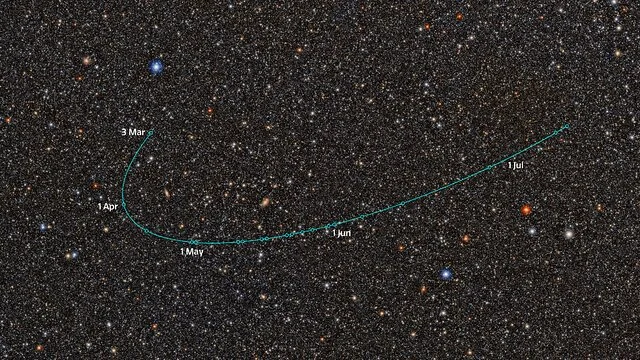
2026 ED138: Why Rubin’s Discovery Is Still a Dwarf-Planet Candidate
Rubin Observatory has found 2026 ED138 beyond Neptune. Here is what the observations establish, why its size is uncertain and what candidate status means.
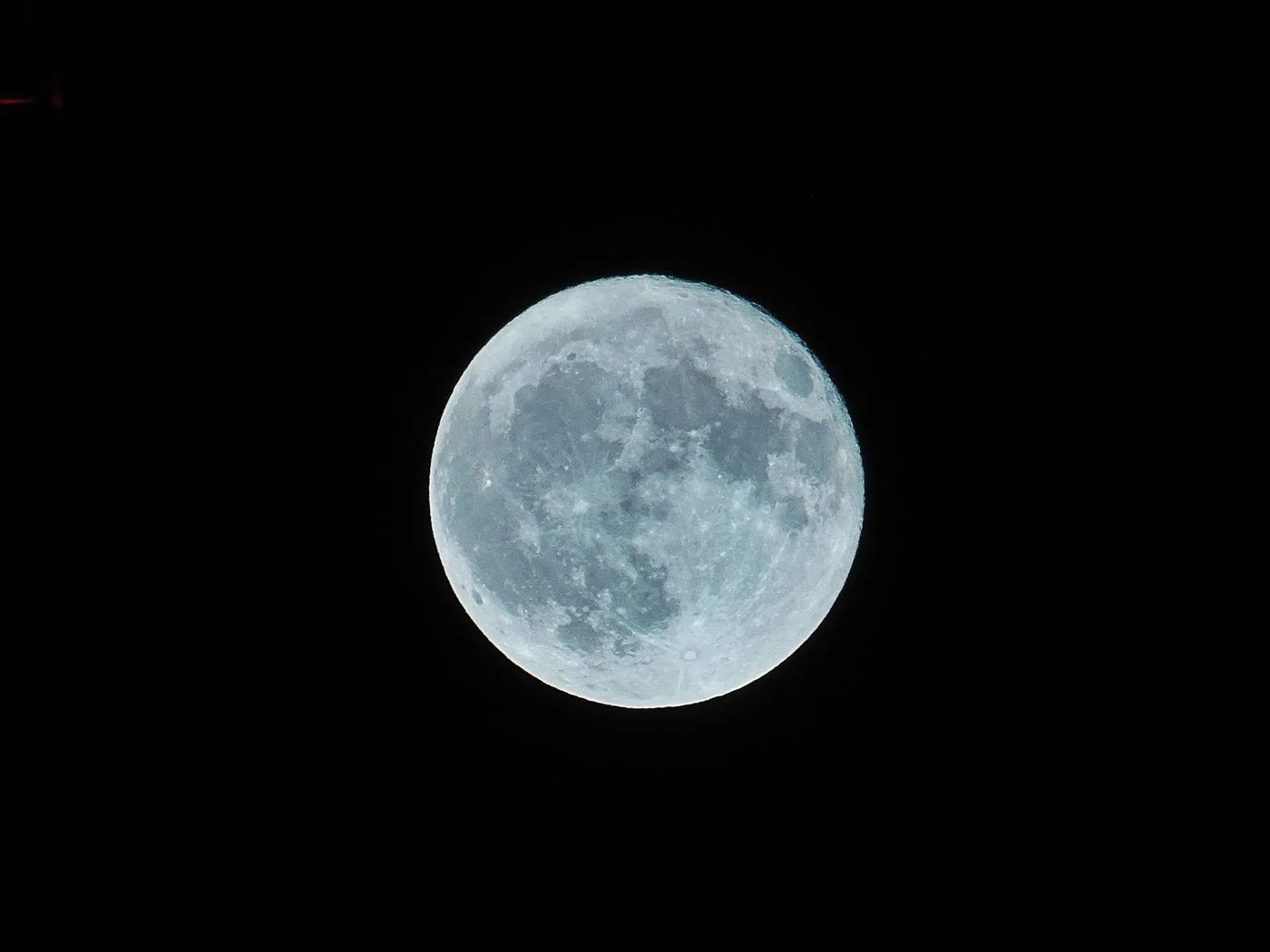
Why You Can See the Moon During the Day—and When to Look
A daytime Moon is normal. Understand reflected sunlight, the difference between phase and visibility, and why afternoon and morning sightings change through the month.

UK Clocks Went Back October 25, 2026: Time Differences With Pakistan, India and the US
Convert Pakistan time to London, New York, India and Dubai. Understand the October 2026 clock change, dated call examples and daylight-saving differences.
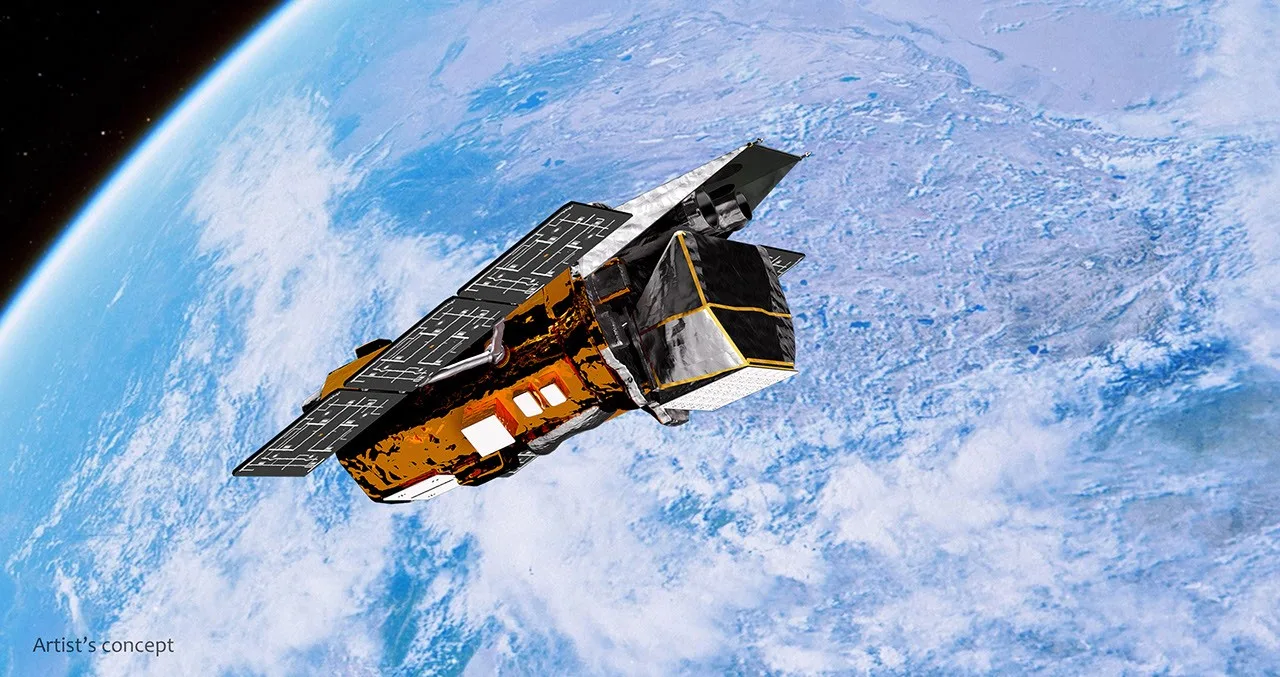
NASA Confirms Swift Re-Entry Over Indonesia: What Remains of the Mission?
NASA confirms Swift re-entered over North Sumatra on November 4, 2026. Understand the confirmed timing, remaining debris uncertainty and the observatory’s scientific archive.
Hunter’s Moon 2026: Full-Moon Time and the October 27–28 Pleiades View
The October full Moon peaked on October 26. NASA highlights the Moon near the Pleiades on October 27–28; check the dated guidance and your local viewing window.