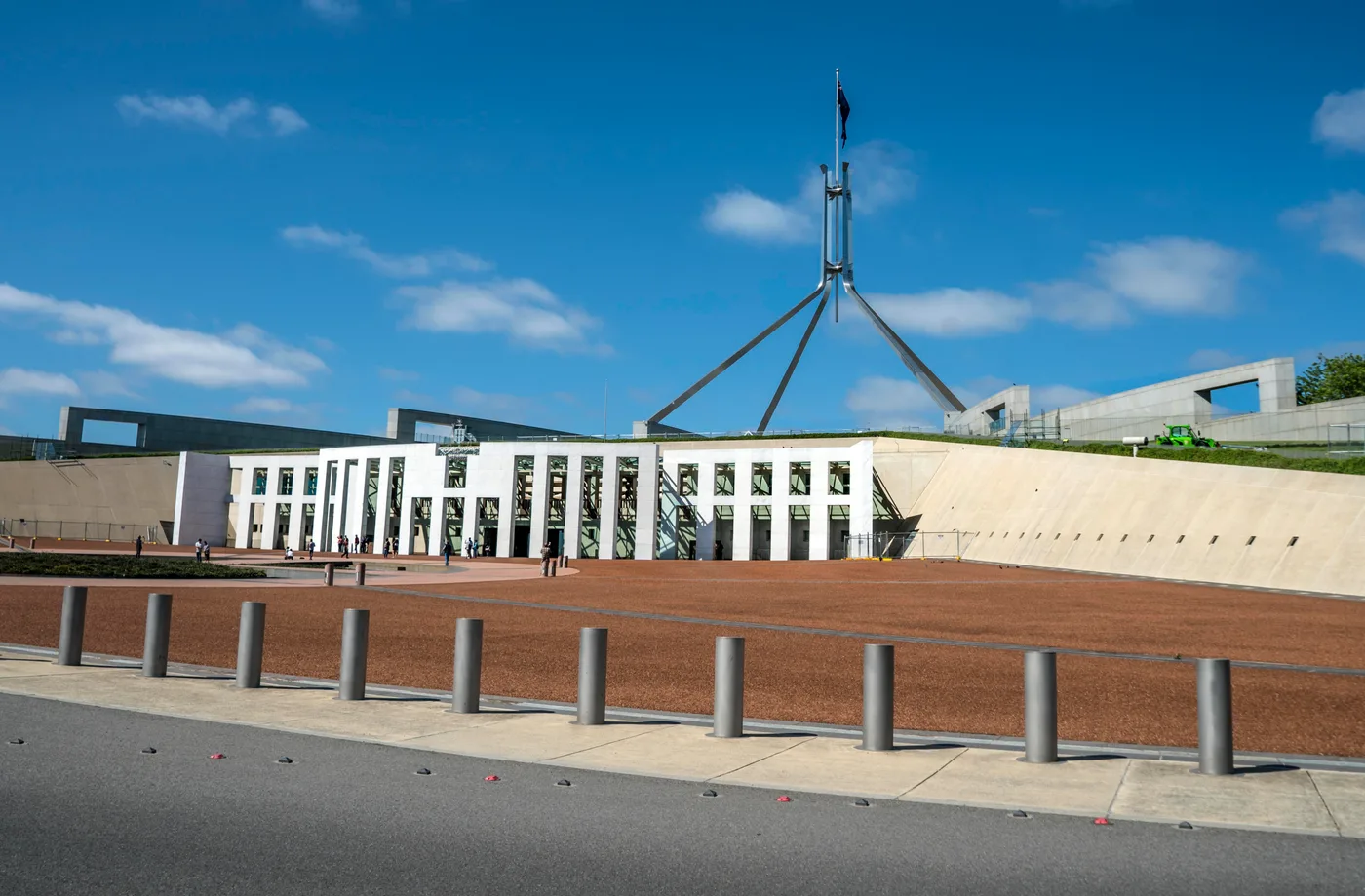

What did Australia announce on November 10?
The Australian government said it would put mandatory safety and security duties for frontier AI companies into its planned AI Standards legislation. It proposes a new regulator to enforce the duties and says the regulator would work with the existing Australian AI Safety Institute. The institute already helps government agencies understand AI capabilities and risks. The proposed regulator would have a different job: applying the rules and imposing penalties for failures to comply. The November announcement sets out the policy. It gives no start date for the duties.
What would companies have to do?
The government describes frontier AI as models at the leading edge of current capabilities. It proposes requiring companies in scope to maintain security controls from development through deployment, assess serious risks, allow independent evaluation, report incidents quickly and publish how they manage safety. These duties cover different points in a model’s life. An independent evaluator could probe a model before release. Incident reporting could give authorities an earlier warning once a problem appears. The announcement leaves the exact reporting deadline and the legal test for which systems qualify to further work.
Why does the reporting clock matter?
The government also released recommendations from its review of unauthorised access to the Medicare Statistics Reporting Service portal. The prime minister’s September account says the incident happened in June and OpenAI told the government in September. Associated Press independently reported the announcement and the timeline. To assess a future reporting rule, look for when the clock begins: the incident itself, when the company first detects it, or when it confirms the seriousness. The public timeline shows the gap between the incident and notification. It does not establish when the company first detected the event.
What changes for government agencies?
The rapid review made 18 recommendations. The government accepted them and said work had begun, including on information sharing and agencies’ ability to respond to AI incidents. That work runs alongside the proposed legislation. For a reader tracking progress, an agency response plan is evidence of operational preparation. A bill, its final text and its commencement provisions will show which obligations apply to companies and when.
What should readers look for in the bill?
Three details will determine how the proposal works in practice: which developers and models fall within scope, who can carry out independent tests, and how quickly companies must notify the government after a qualifying incident. Also check whether companies would file an initial notice before completing a full investigation. An early warning can help authorities coordinate a response while a later report can explain causes and fixes. Those are separate needs, and the legislation will determine how Australia addresses them.
Sources & further reading
- Australian prime minister: November 10 proposal and intended duties
- Australian prime minister: rapid review findings and government response
- Australian prime minister: September account of the portal incident
- Department of Industry: Australian AI Safety Institute’s current role
- Associated Press: independent reporting on the proposed regulator
- Photograph license: Creative Commons BY-SA 2.0