What has Google announced?
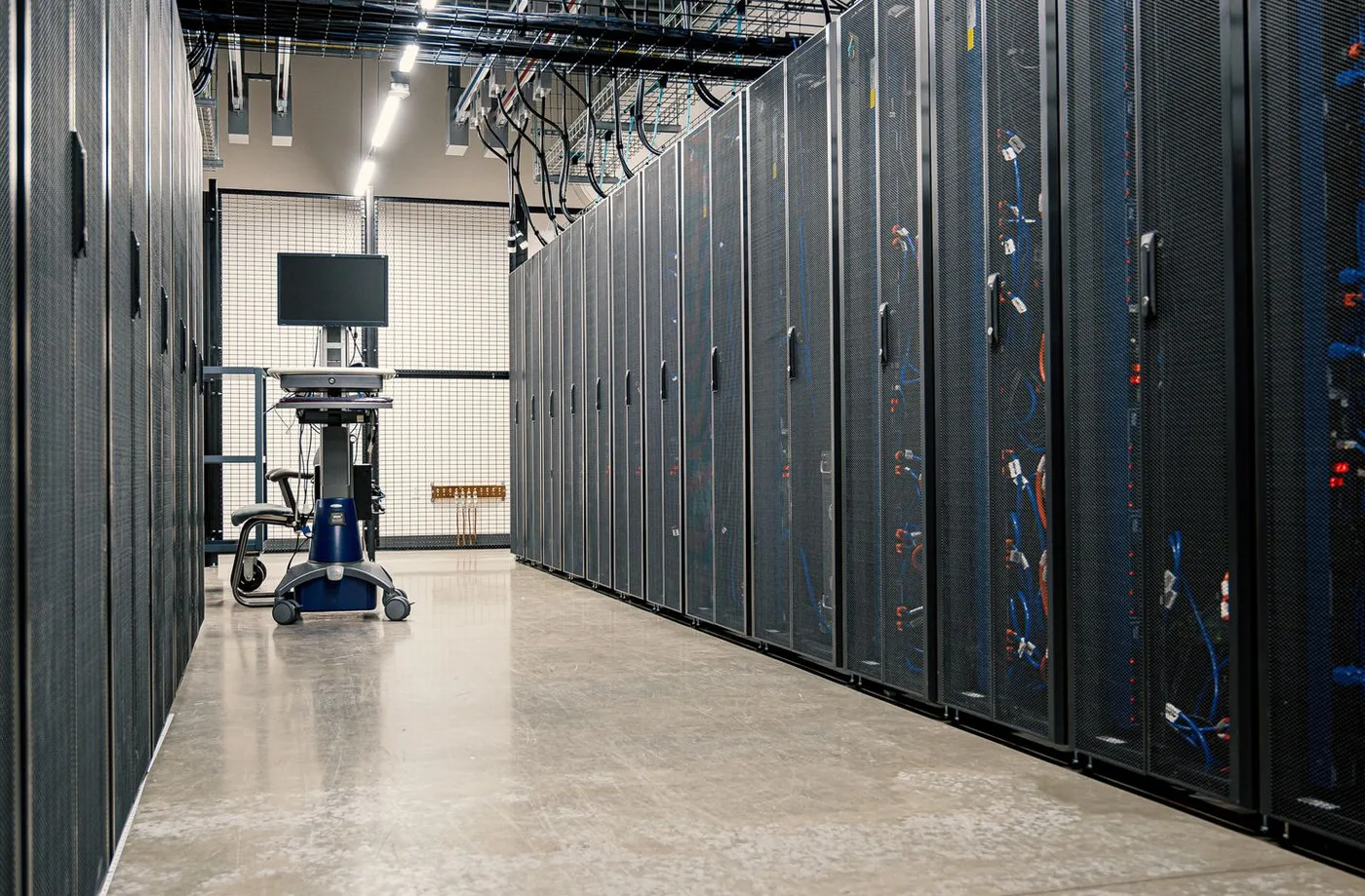
On November 4, Google announced plans to invest US$15 billion in Malaysia across 2027 and 2028. The programme includes new data centre campuses in Selangor and Negeri Sembilan, alongside energy, water and training initiatives. Google says its first campus at Elmina Business Park in Selangor is already operating. The planned campuses and the forthcoming Google Cloud region for enterprise customers are separate milestones: a building can run servers before a region opens for customers to deploy workloads there.
What does more than one gigawatt tell us?
Google says it plans to bring more than 1 GW of new clean generation capacity to Malaysia’s grid. A gigawatt measures power at a moment in time. A gigawatt-hour measures the energy delivered over time. For scale, a generator supplying 1 GW for six hours delivers 6 GWh. A facility drawing 1 GW around the clock uses 24 GWh a day. Those are illustrations, not forecasts for the Malaysian campuses. Google says it will pay for the electricity it uses and the direct costs of connecting its campuses. To judge how the new generation matches the campuses’ demand, look for when each project connects, how much it generates and what supplies electricity during hours of low output.
How should residents read the water commitments?
Google says its local assessments supported using water cooling at the campuses. It also describes a reservoir and treatment plant in Negeri Sembilan, watershed work and rainwater collection at schools. Those projects have different purposes. A school tank can substitute for municipal water on site, and a wetland project can improve water quality upstream. Neither project by itself tells residents how much a campus will draw during a dry month. Look for the water source, actual withdrawal and consumption figures, and any operating limits that apply during shortages.
Does the jobs estimate mean Google is hiring 37,000 people?
Google projects that construction will support more than 37,000 local jobs annually during 2027–28. It estimates about 6,000 of those in construction and projects more than 9,000 ongoing jobs supported annually once the facilities operate. These are estimates across the wider economy, not counts of vacancies on Google’s payroll. Google also proposes data centre training at selected polytechnics starting in 2027. For someone looking for work, course intake notices and published vacancies will be more useful than the headline jobs estimate.
What would show that the plan is moving ahead?
Track three milestones separately: a campus starts operating, a clean power project starts supplying the grid, and a training programme opens to applicants. A date for one doesn’t establish a date for the others. Once the campuses operate, published energy and water data can help readers compare actual resource use with the commitments made at the announcement.
Sources & further reading
- Google Malaysia: November 4 investment announcement and project details
- Malaysia Ministry of Digital: November 5 response and infrastructure commitments
- Bernama: reporting from the Kuala Lumpur announcement
- International Energy Agency: how electricity reaches data centres
- Pexels: file photograph reuse terms