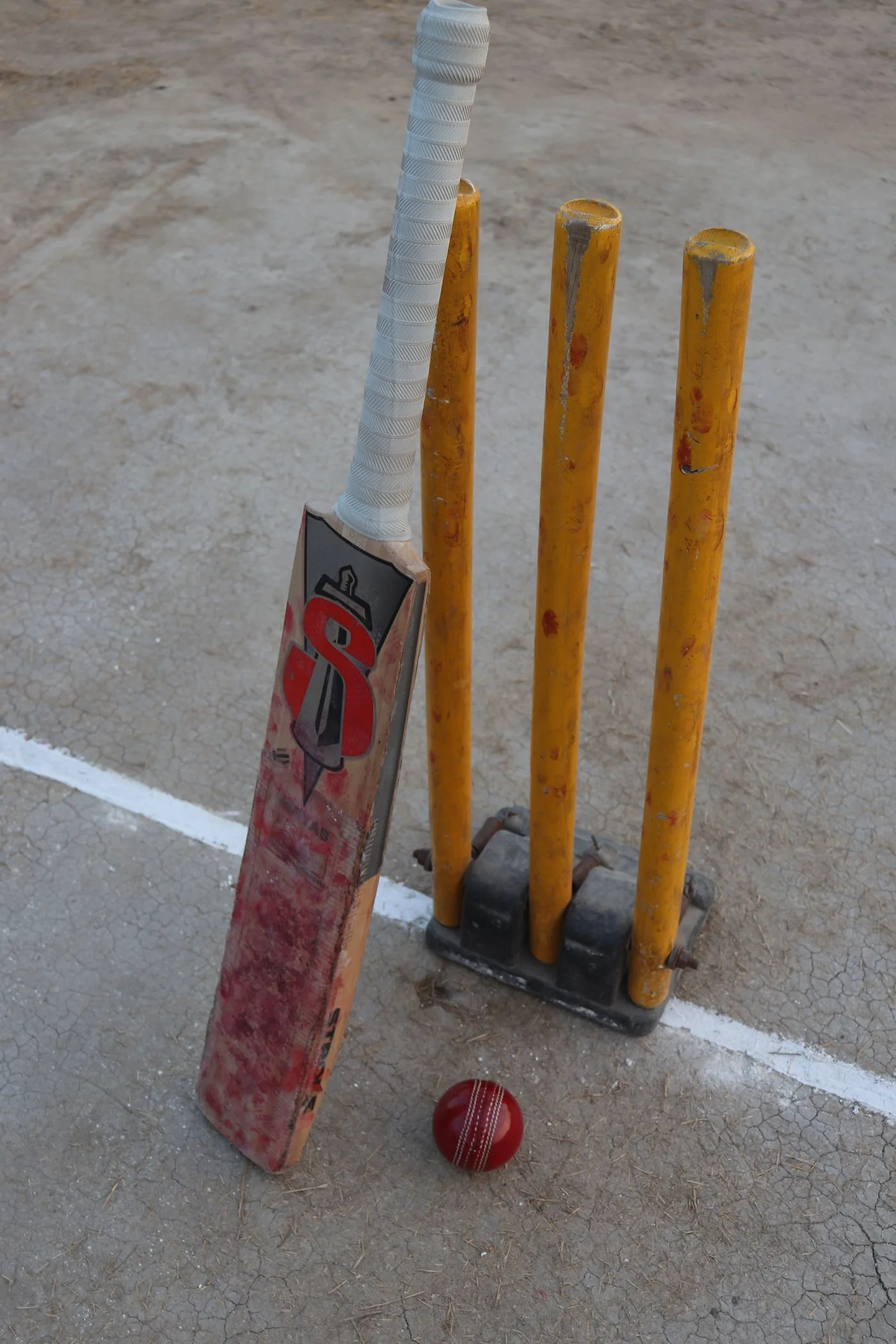
Four wickets to spare. One legal ball left.
India beat New Zealand by four wickets in the second T20I at Hagley Oval, Christchurch, on October 24, 2026. The BCCI match centre records New Zealand at 180/5 after 20 overs and India at 181/6 after 19.5. Those figures describe a completed chase, but a new viewer could easily misread them. Why does the winner’s score include six wickets, while the result says four? And why does 19.5 not mean nineteen and a half? This completed-match guide was checked October 24 using the official match record and corroborating scorecards. It is not a live scoreboard.
The target was 181, not 180
To finish ahead of New Zealand’s 180, India needed 181. Matching the opponent’s score and passing it are different outcomes. In the official final record, India reached that target with six wickets down. The simple comparison is more useful than treating the target as a mysterious extra run: one side has set a total, and the other must exceed it to complete a winning chase in the ordinary way. Here, 181 is exactly one more than 180. That does not tell us whether every stage of the pursuit was comfortable; it tells us where the pursuit ended.
Why 19.5 is not a decimal
ICC’s law specifies six valid balls in an over. In cricket score notation, the number after the dot counts balls within the current over; it is not a decimal fraction. Nineteen completed overs contain 114 valid balls. Add five more and you have 119, leaving one valid ball before a full twenty overs. Think of the dot as separating two units, like hours and minutes on a clock, rather than marking a decimal number. That reading makes the ending immediately clearer: the final score was reached late in the last over, with one legal delivery still available.
Why six wickets lost becomes a four-wicket win
The two numbers answer different questions. The “6” in 181/6 records wickets India lost; the four-wicket margin describes what remained when the chase succeeded. In the standard ten-wicket innings, ten minus six leaves four. Neither number is a claim about the gap in runs. For a useful reading exercise, cover the written result and use the two final totals to describe it yourself. Which team has more runs? How many wickets has that team lost? Now compare your description with the official result. This keeps runs, wickets and deliveries separate instead of trying to compare them as though they were one measurement.
Read the confirmed finish without borrowing details from another game
There were separate senior-team and A-team fixtures involving these countries on October 24. The record discussed here is specifically the second senior T20I at Christchurch, not the A-team four-day match at Lincoln. The BCCI record also identifies India as the toss winner, choosing to field. Checking the match number, format, venue and date before copying a score avoids a particularly easy error when search results group related fixtures together. Player totals can also differ between early feeds, so this explainer keeps its numerical focus on the corroborated final team scores rather than repeating an uncertain individual line.
A better way to follow the next chase
Keep three questions beside the score: how many runs are still needed, how many valid deliveries remain, and how many wickets are available? Each describes a different constraint. A side can have batting resources left but very little time; it can also have deliveries left while running short of wickets. This match’s final record is a useful compact example: the target was reached with four wickets available and one legal delivery unused. For more cricket context, our Pakistan–Sri Lanka ODI guide in the article library explains a different format. Compare the format before transferring assumptions about the available overs.
Frequently asked questions
Who won India vs New Zealand on October 24, 2026?
India won the second senior T20I at Christchurch by four wickets, reaching 181/6 after New Zealand made 180/5.
Does 19.5 overs mean nineteen and a half overs?
No. It means nineteen completed overs and five valid balls of the next over: 119 valid deliveries.
How many legal balls remained when India won?
One. India reached the target after 19.5 overs in the twenty-over chase.