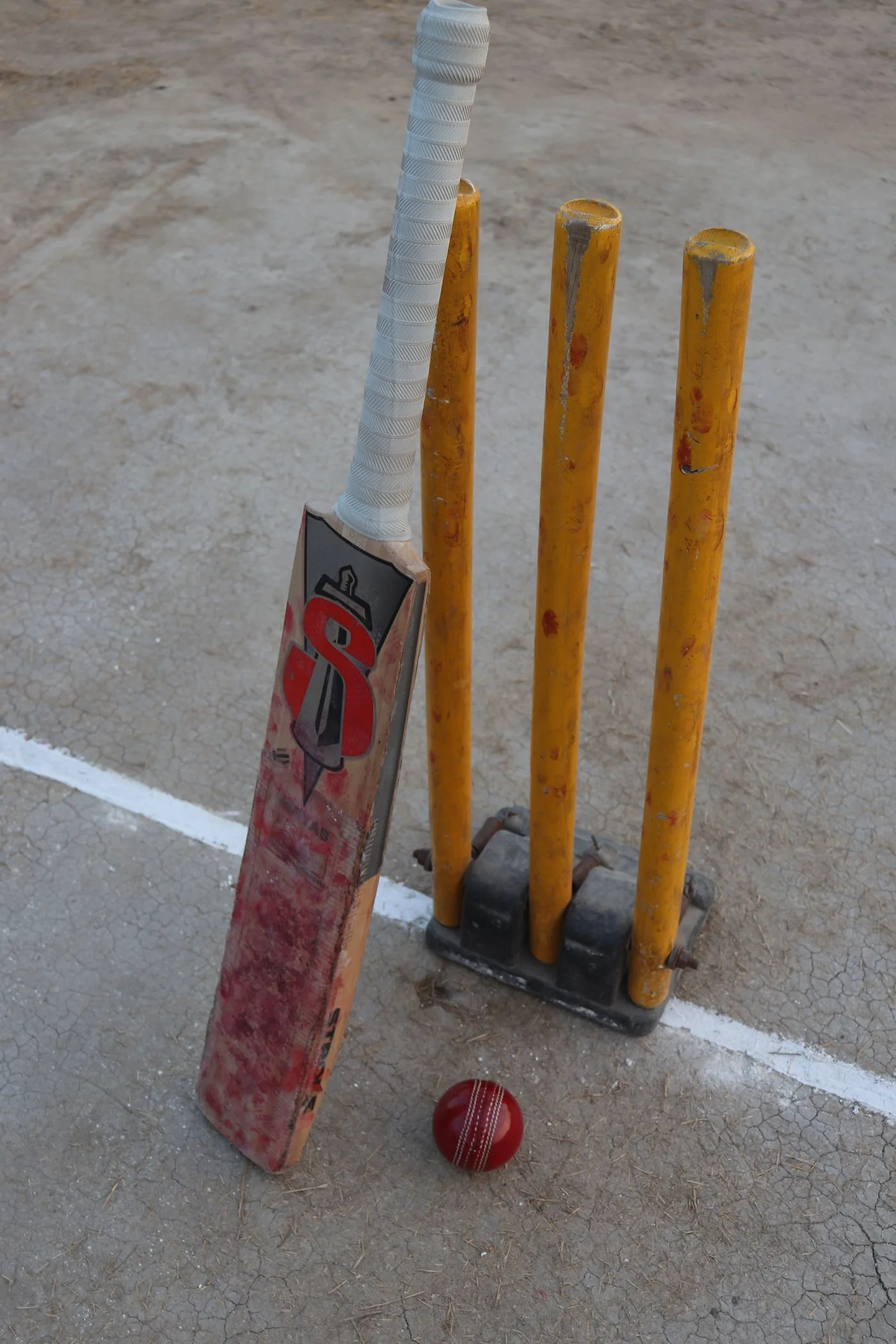
One wicket left, 88 runs still needed
Pakistan were 154/9 when their final partnership began against England in Lahore on October 25. England had made 241, so the winning target was 242. One more dismissal would have ended the innings. Instead, Pakistan finished on 243/9 and won by one wicket. That is the central tension of this match: the chase still had deliveries available, but almost no batting resources left. This completed-game report was checked October 26 against PCB’s published result, ICC’s match record and Sky Sports’ report and scorecard.
The 89-run partnership was bigger than either role alone
Shadab Khan finished unbeaten on 113 from 96 balls, with Haris Rauf unbeaten on seven from 19. Together they added 89 for the tenth wicket. The difference between their individual scores should not hide the structure of a final-wicket chase: both batters must remain available for the partnership to continue. Rauf also struck the winning boundary. Sky Sports reports that Shadab survived an lbw decision on 97 after a review showed an inside edge. That reversal preserved both his innings and Pakistan’s chance of completing the chase.
Why the partnership exceeded the runs required
At 154/9, Pakistan needed 88 to reach 242. Their final pair added 89, taking the total to 243. The extra run is not a contradiction: the winning boundary took the score beyond the minimum target. The official final total and the winning margin answer different questions. The total records the runs scored; “one wicket” records the batting resource remaining. It does not mean Pakistan won by one run. Reading those measures separately makes the last line of this scorecard much easier to understand.
England’s century and wickets were not enough
Ben Duckett’s 105 helped England reach 241 all out in 46.4 overs. Shaheen Shah Afridi took four wickets for 46. England then created a strong winning position with the ball, but could not finish the final partnership. Pakistan completed the chase in 47.1 overs, leaving 17 valid deliveries unused in the scheduled fifty overs. These facts describe two different pressures: the visitors needed one wicket, while the hosts needed to keep scoring without losing it. We have not assigned a win probability or treated the final outcome as inevitable.
What the finish changed in the tournament
The victory secured Pakistan’s place in the October 31 tri-series final, according to Sky Sports. It was also their third consecutive win in the competition, as PCB reports. A tournament result is more useful when attached to the exact fixture: this was the October 25 Lahore match, not Pakistan’s earlier meeting with England in Rawalpindi. For the remaining announced dates, follow our tri-series schedule guide and the cricket boards’ current updates. The lesson from this chase is specific rather than magical: a nearly exhausted batting side can still win, but only while its last partnership survives.
Frequently asked questions
Who won Pakistan vs England in Lahore on October 25, 2026?
Pakistan won by one wicket, finishing on 243/9 after England made 241.
How many runs did Shadab Khan score?
Shadab finished unbeaten on 113 from 96 balls.
Why was the final-wicket partnership 89 when Pakistan needed 88?
Pakistan needed 88 from 154/9 to reach the target of 242. The winning boundary took their final total to 243, making the partnership 89.