October 27–28: a different reason to look up
The full-phase instant described below has already passed, but that does not end the week’s skywatching. NASA’s October guide highlights the Moon passing near the Pleiades, also called the Seven Sisters, on the night of October 27 into October 28. The guide suggests looking east in the evening as they rise and describes the cluster as a small, fuzzy grouping. Its example sky chart is not an appointment time for every city. Check your own horizon, moonrise and cloud conditions; the date alone cannot guarantee a view. This is a nearby appearance in the sky, not another full-Moon peak.
The best time to look is not always the time in the headline
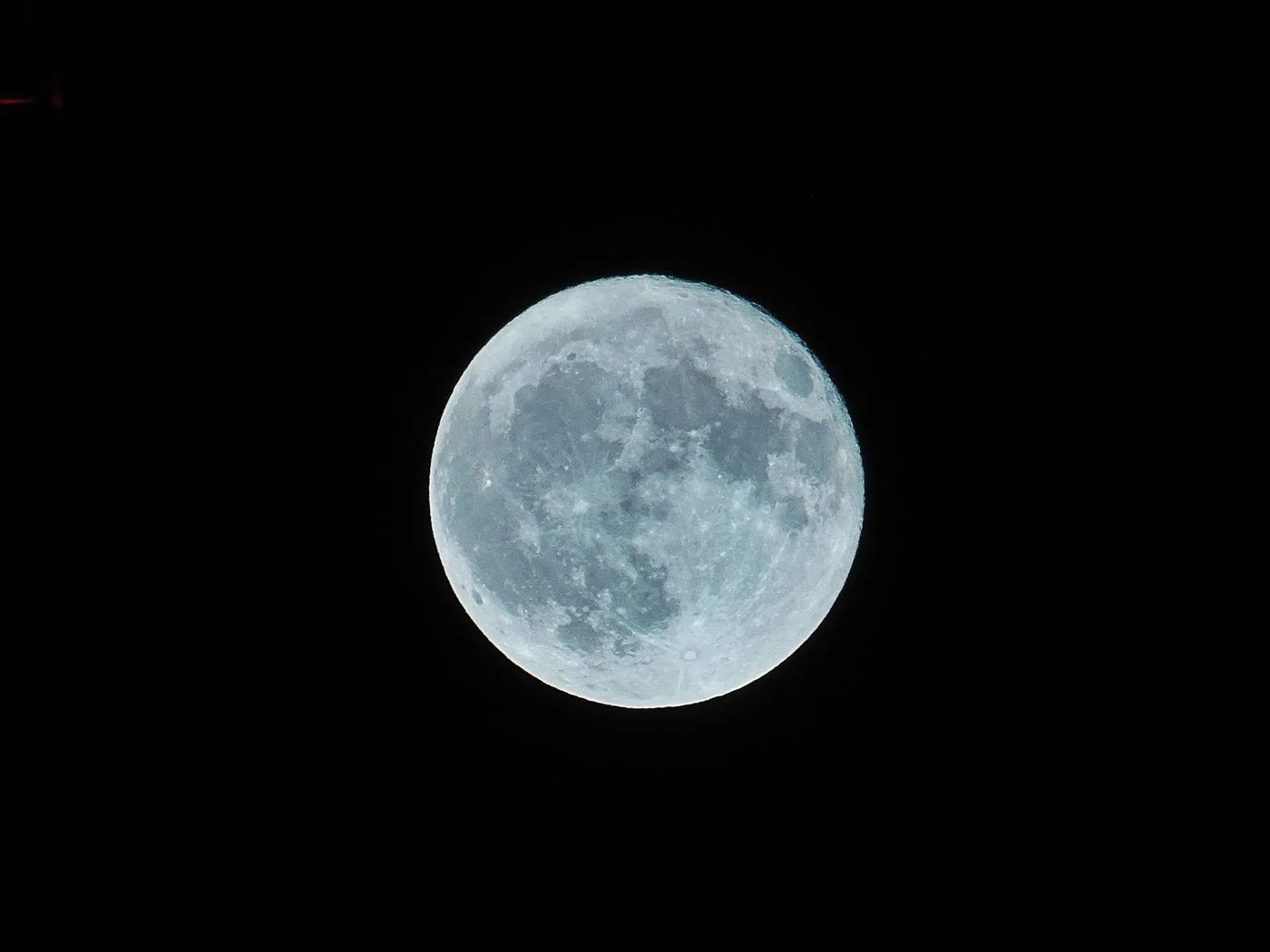
A full-Moon calendar gives a precise minute. Your window gives you something different: a view affected by buildings, clouds and where the Moon is above your horizon. October’s Hunter’s Moon reaches its full phase on October 26, 2026. The useful preparation is to separate that astronomical moment from your local viewing opportunity. You do not need to organize the whole evening around a single minute. Originally published October 24, this guide was updated October 27 with NASA’s Moon–Pleiades viewing guidance. It is not a live weather forecast.
October 26: the time, with the time zone attached
Royal Observatory Greenwich lists this full Moon at 4:12 a.m. on October 26 in London. Its calendar uses the local London time applicable on each date. For this event that is GMT, equivalent to 04:12 UTC. Converting that instant gives 9:12 a.m. Pakistan Standard Time and 9:42 a.m. India Standard Time, also on October 26. These are conversions of the full-phase instant, not promises that the Moon will be visible then. A time without a zone is incomplete information. Before copying a calendar entry, check whether its publisher means your location, its own location or UTC.
Why the evening of October 25 is worth considering
The Royal Observatory’s October guide describes viewing the Moon through the night of October 25–26 in the UK. It also notes that the Moon looks effectively unchanged to our eyes through that night, despite the exact full-phase moment occurring before dawn. That gives you flexibility: if a clear evening is convenient, there is no reason to treat it as a failed observation because the calendar’s minute has not arrived. Outside the UK, use your own local moonrise and moonset information. A London observing window is not an international timetable; the same event can have different practical viewing conditions elsewhere.
What the name tells you—and what it does not
NASA connects the Hunter’s Moon name with Northern Hemisphere seasonal hunting practices as autumn daylight shortened and fields became bare. It is a traditional seasonal name, not an announcement that the Moon has acquired a new surface or that an unusual event will last only seconds. Different cultures use different lunar names. Separating the tradition from the astronomical timing helps you read coverage sensibly: the name supplies context, while an astronomical calendar supplies a date and time. Neither replaces a local forecast when you are deciding whether to step outside.
A three-part plan for a useful evening outside
First choose your question: are you trying to see the Moon near the horizon, or simply enjoy a clear view after dark? Then check moonrise for your town and identify a location with an unobstructed view in the relevant direction. Finally, check the weather close to your planned outing. Record the place and time beside any photograph so you can compare another night fairly. Our practical suggestion is to pick one convenient clear interval rather than repeatedly refreshing a countdown. If cloud blocks the view, you have learned something about local conditions; you have not missed a one-minute spectacle.
How to spot a misleading viewing headline
Ask three questions before making plans. Does the stated time include a time zone? Is it the moment of full phase or the local time of moonrise? Does the claimed viewing window apply to your location? A useful guide answers those separately. NASA confirms the October 26 event, while the Royal Observatory provides the timing and UK observing context used here. Follow those source links for the underlying information. For other subjects, our article library follows the same approach: distinguish a dated fact from an interpretation, and check the source before treating a headline as an instruction.
Frequently asked questions
What does NASA highlight for the night of October 27–28?
The Moon passes near the Pleiades star cluster in the sky. Use your own location’s viewing conditions; this is separate from the October 26 full-phase instant.
When is the Hunter’s Moon in October 2026?
The Royal Observatory Greenwich calendar gives October 26 at 04:12 GMT/UTC.
What time is that in Pakistan and India?
The full-phase instant is 9:12 a.m. Pakistan Standard Time or 9:42 a.m. India Standard Time on October 26. These are not local moonrise times.
Must I watch at the exact minute?
No. The Royal Observatory notes that the Moon looks effectively unchanged through the UK night of October 25–26. Check your local moonrise and weather for a practical viewing time.